

Shotguns vs Drones: 4 Years of the russian-Ukrainian War
Everything I’ve learned about shotguns against drones in one publication. Drone warfare is no longer limited to Ukraine. Lessons learned here are relevant worldwide.
If you read only one page
Recommended shotgun: 12 gauge semi-auto
Recommended load: 36 g No.1–000 lead OR tungsten No.5–000
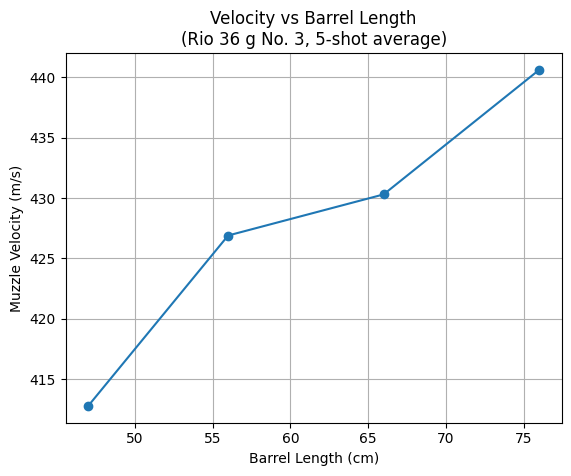
Optimal velocity: 420–440 m/s
Effective reliable distance:
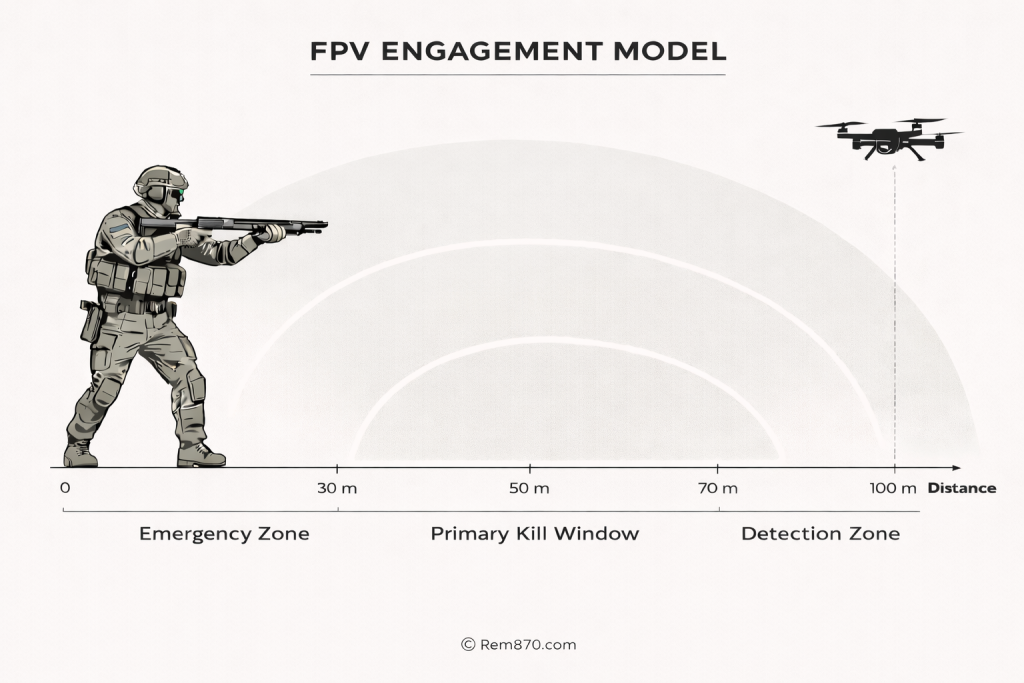
Lead: ~50 m
Tungsten: 55–65 m
Choke: Modified
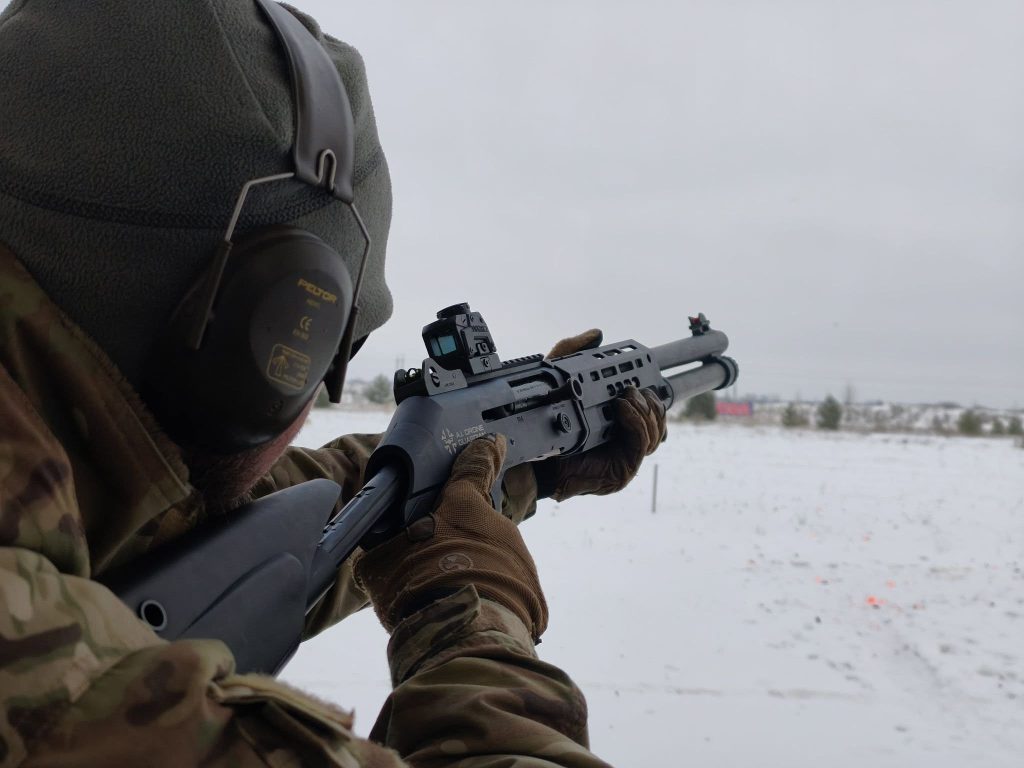
Sights: Ventilated rib + bead OR red dot (zeroed at 50 m)
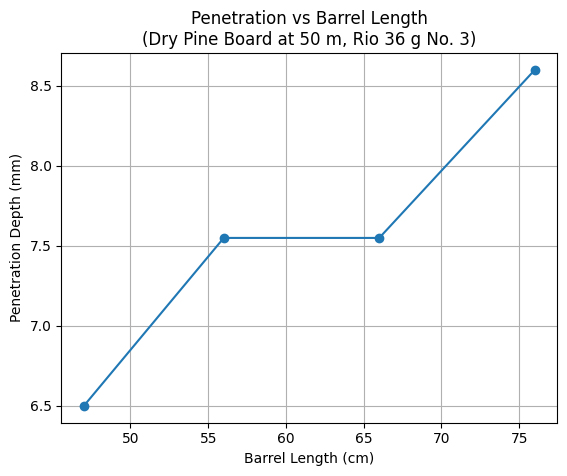
Barrel: 56–66, 47 cm with tungsten
Four years have passed since what everyone expected – yet no one could truly believe, happened: Russia invaded Ukraine. What they planned to finish in a few days or weeks has now been going on for four full years.
I would like to thank the readers of my blog for their support throughout all this time, through letters, messages, and Patreon subscriptions. You are incredible.
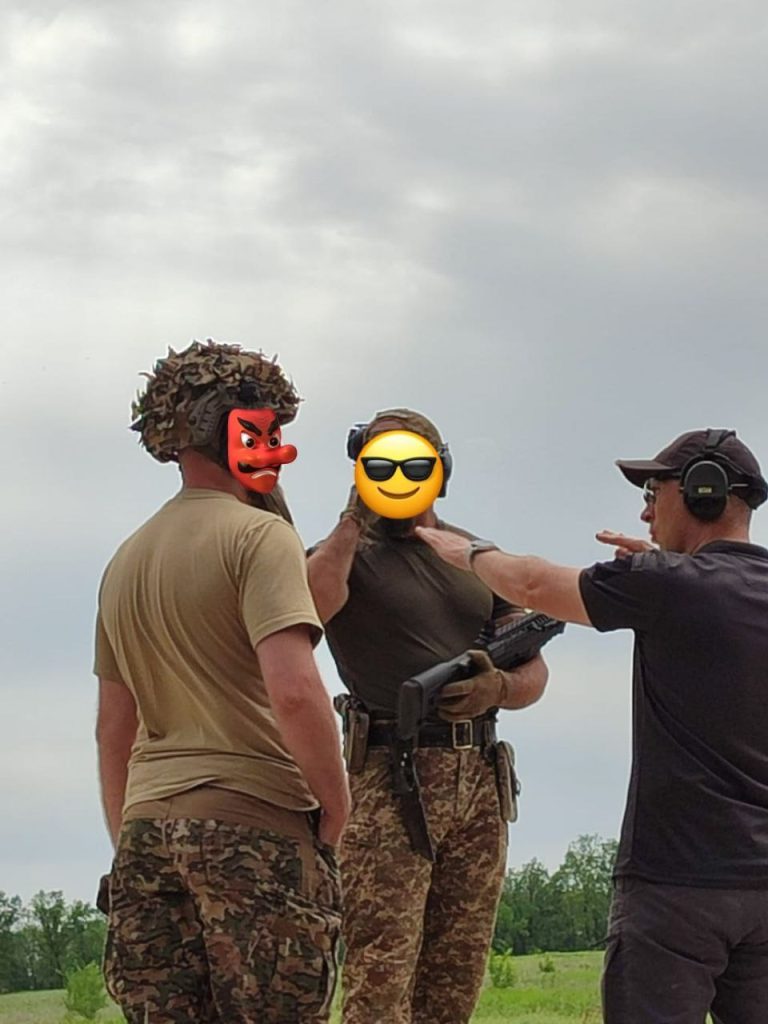
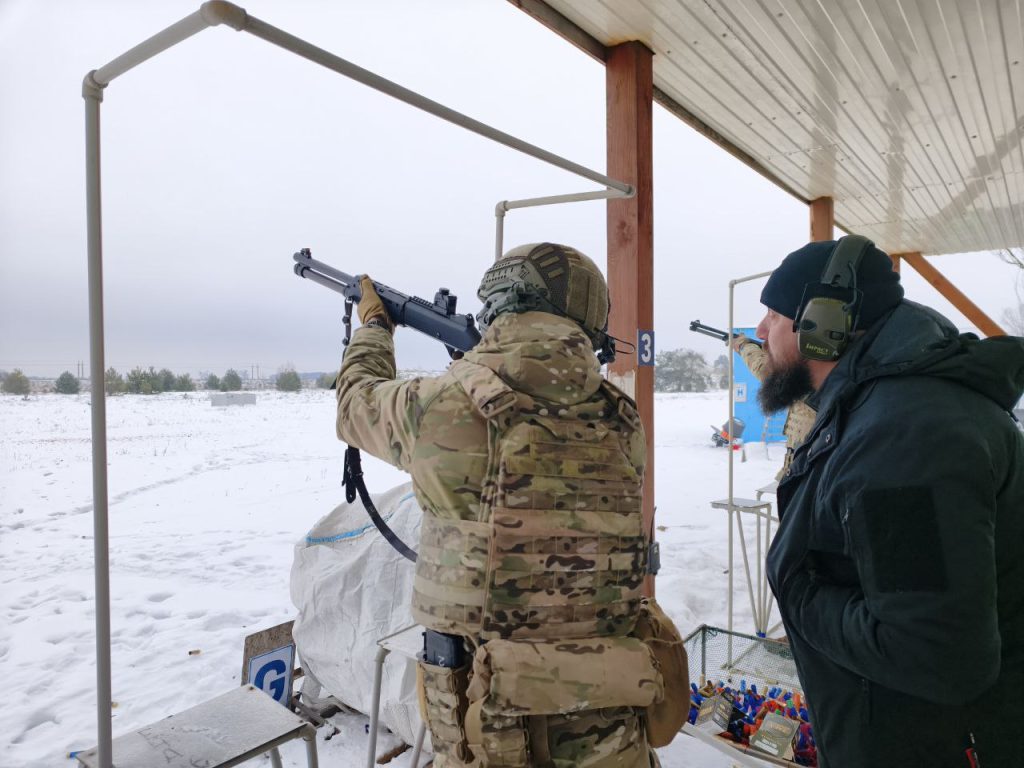
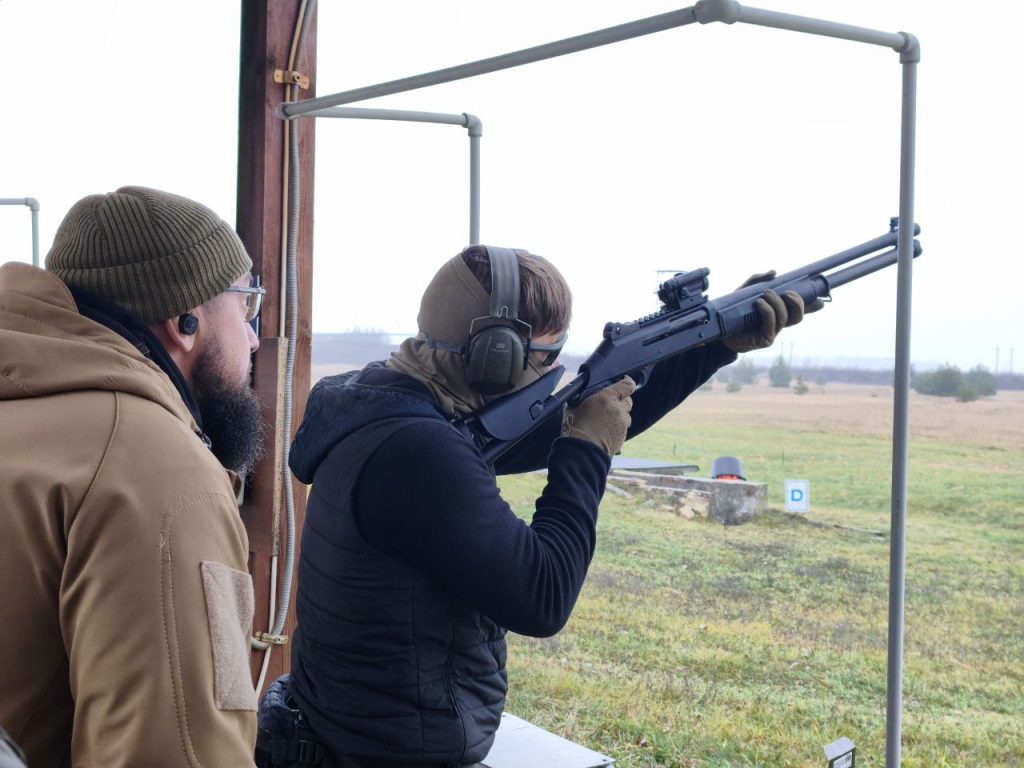
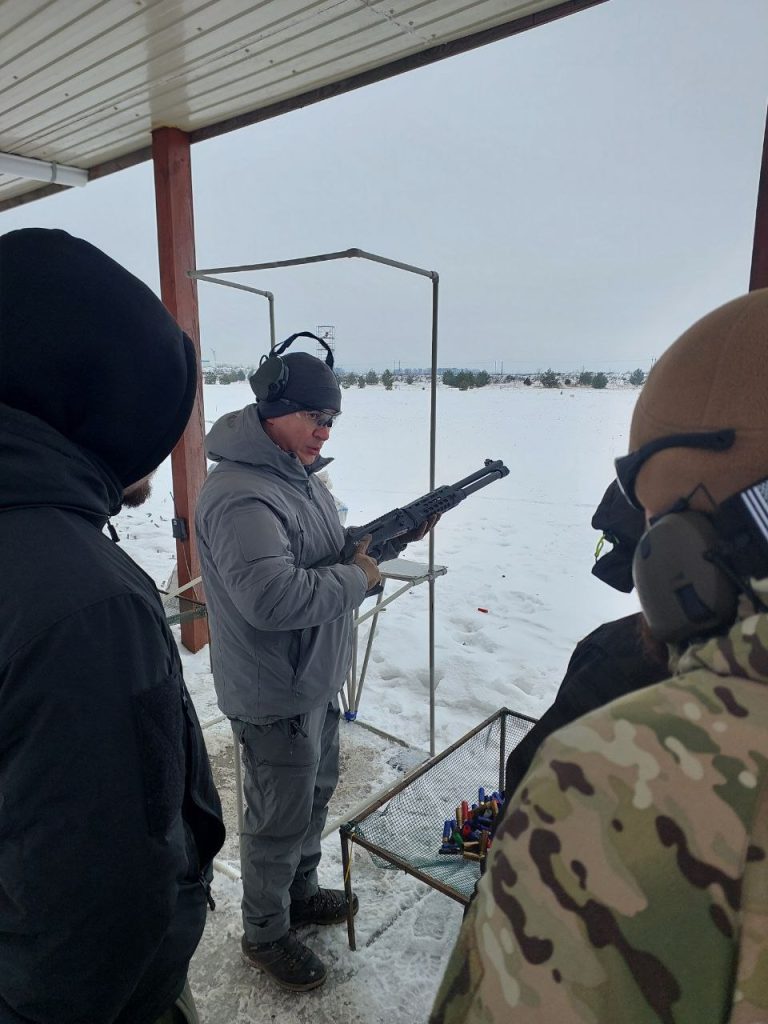
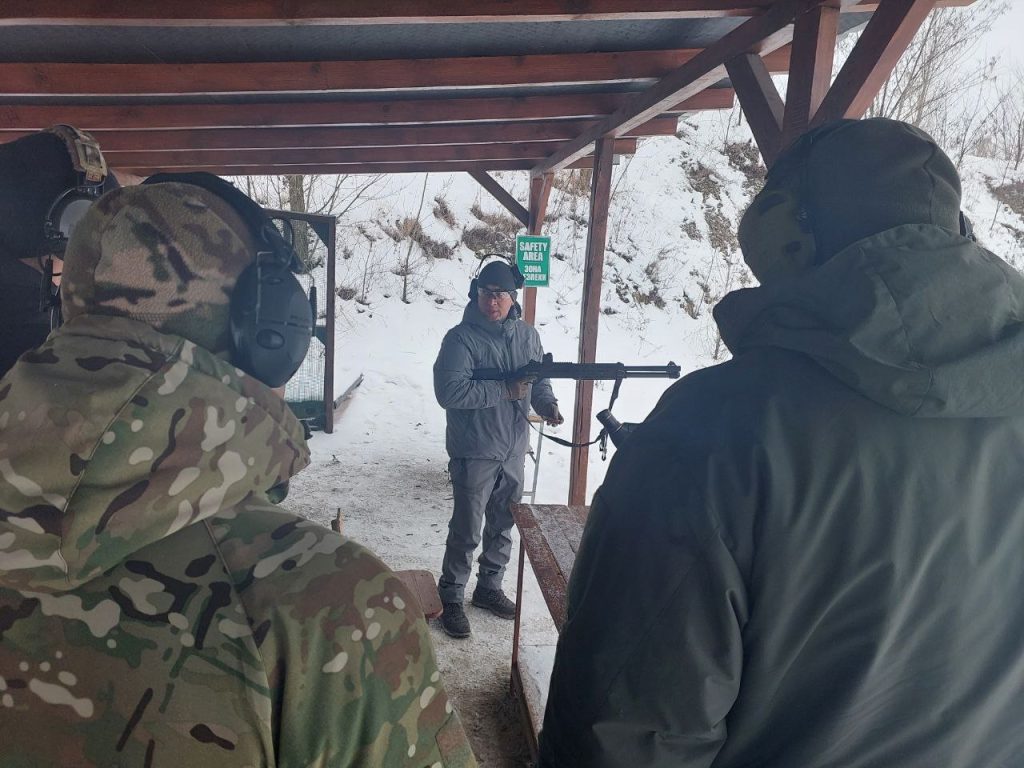
In this publication, I would like to share everything I have learned during this period while training military personnel to use shotguns against drones. The training sessions were conducted in Kyiv, Odesa, and even in Sloviansk, directly for service members who needed it most. Among those we trained were everyone from military academy cadets to special operations forces.
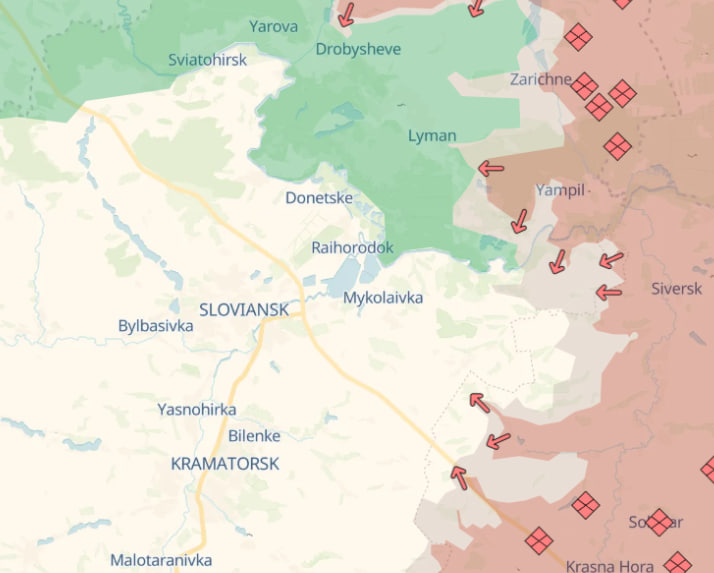
Sloviansk Ukraine
From the trenches of the First World War to the trenches of the Third World War
After the start of the full-scale war, smoothbore shotguns were largely forgotten, as rifled firearms dominated the battlefield. But the war evolved quickly, and around 2023 it became clear that drones were being used on a massive scale. This included both explosive-dropping drones such as Mavic and Autel platforms, and improvised one-way attack quadcopters, commonly known as FPV drones.
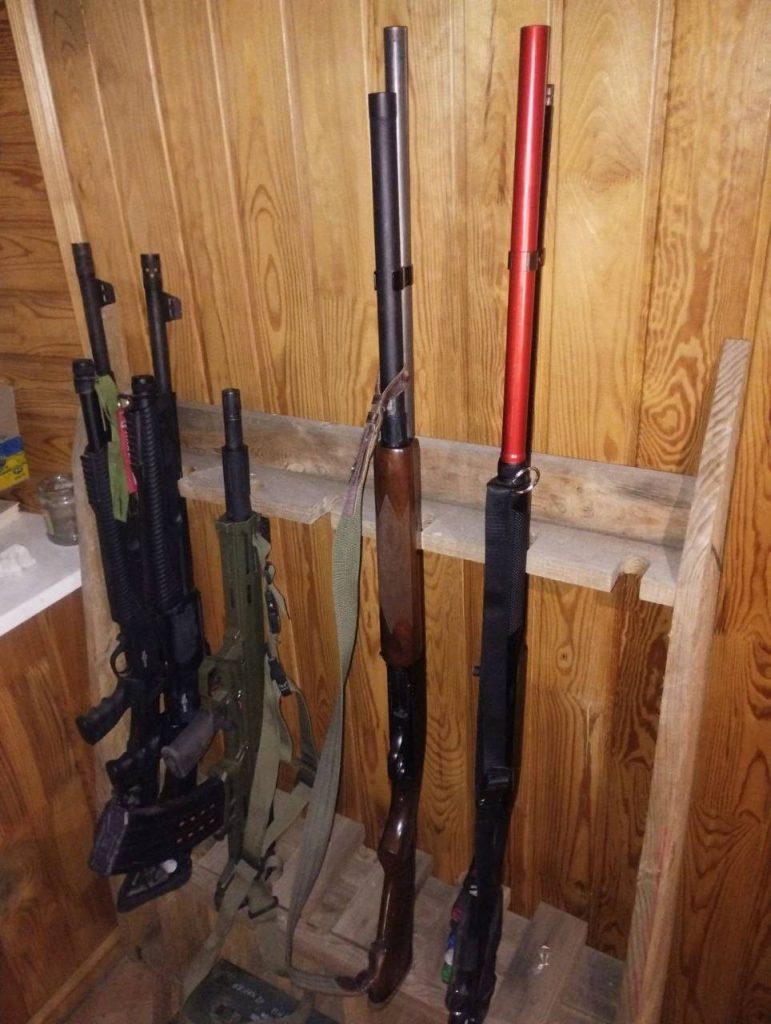
Thus, the “trench broom” of the First World War found its place again on the modern battlefield, albeit in a different role. Frontline footage shows fighters carrying everything from side-by-side double-barrel shotguns to modern semi-automatic models.
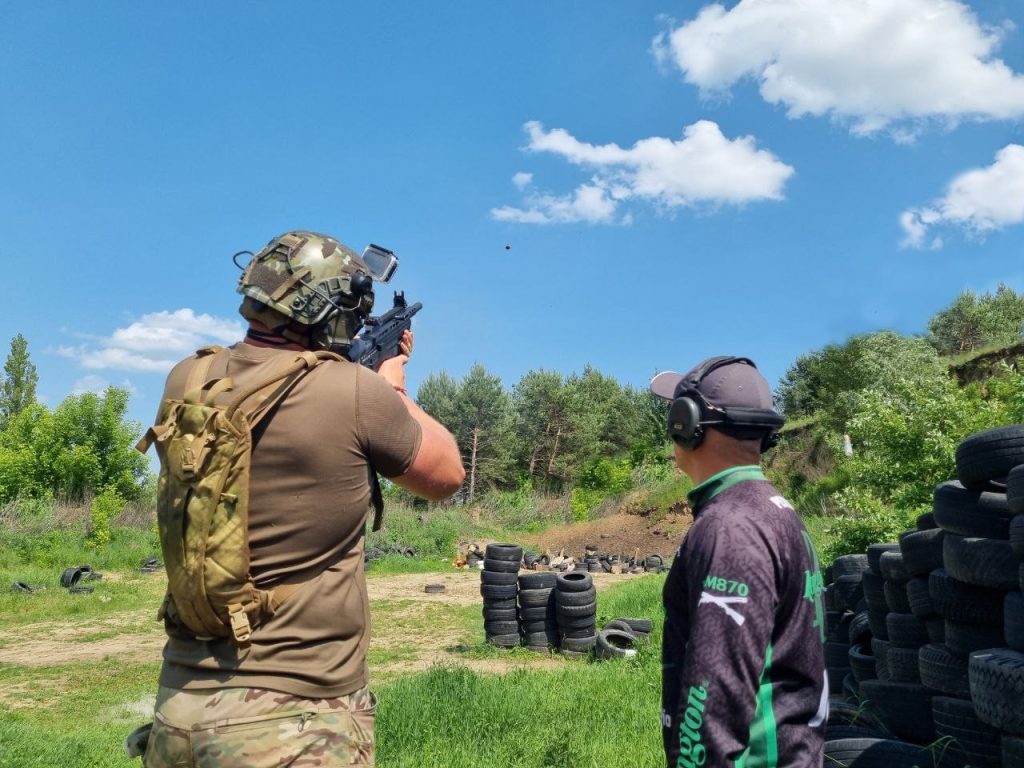
In early 2024, I was invited to a test range to evaluate and verify the effectiveness of a shotgun against an attacking FPV drone. From that test, I have a video of successfully downing such a drone, which has since reached nearly five million views on Facebook.
Since then, we have conducted numerous tests, recorded many videos, and trained dozens of service members. The main conclusion I have reached is that a combat shotgun against drones is always a compromise.
Now I want to summarize the experience gained over this entire period and provide you with a practical, ready-to-use framework as of the time of writing this publication, early 2026.
Are shotguns effective against drones?
Shotguns have long been used effectively against drones. Electronic warfare systems are useful, but they are expensive, limited in number, and not always reliable. They operate only within certain frequency ranges, and those frequencies are constantly being changed. With the emergence of fiber-optic FPV drones, electronic warfare stopped being a guaranteed solution, because such drones cannot be jammed. At the same time, fiber-optic drones are generally more vulnerable to small arms fire due to their larger size and lower speed.
A shotgun is simple, affordable, widely available, and always provides at least a chance to bring a drone down. There is always a luck factor involved, and there have been successful hits at longer distances than those recorded during controlled tests. A shotgun gives you a chance to down a drone. When such weapons are absent, drone operators often feel unchallenged, and footage shows them flying slowly and even toying with their target, like a cat with a mouse.
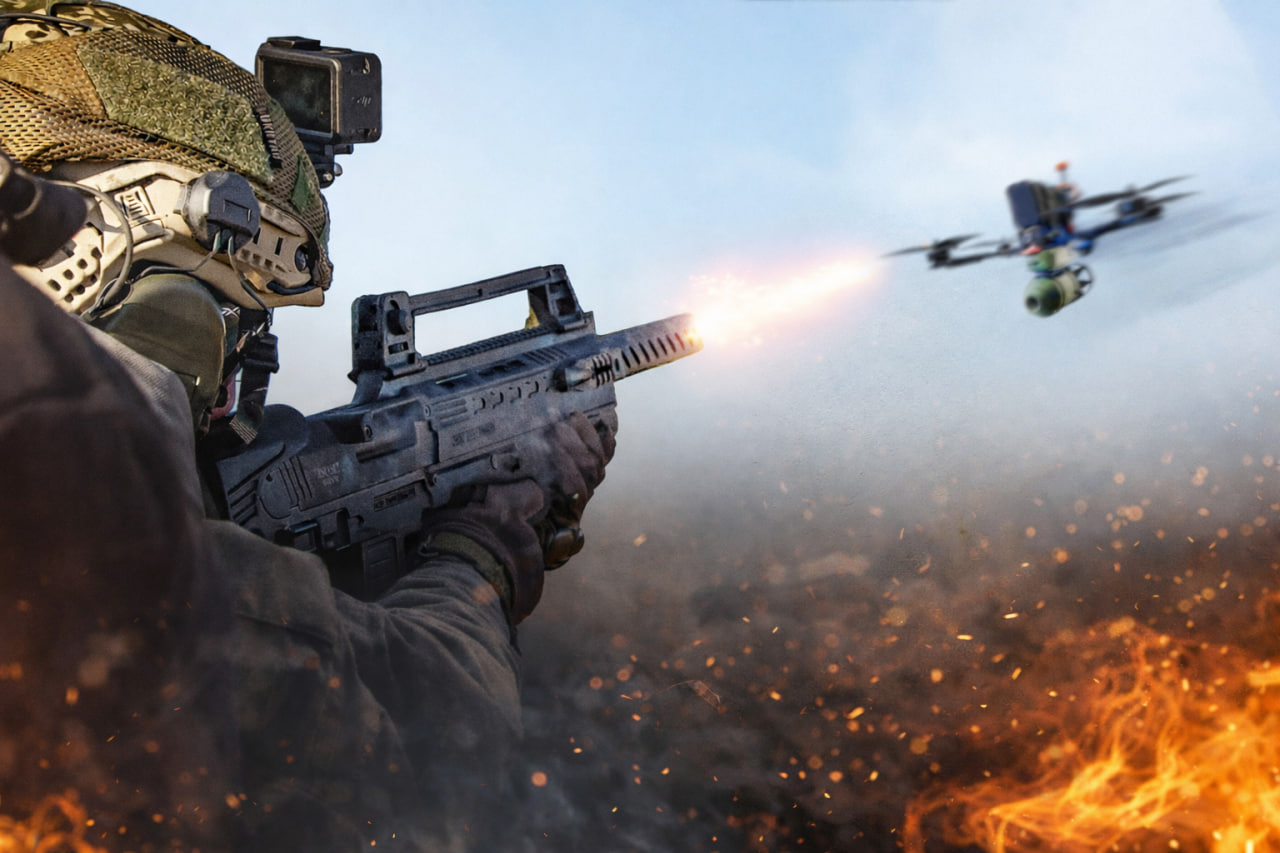
FPV drones do not always fly at maximum speed. Sometimes they approach the target by passing nearby, performing maneuvers, making turns, searching, and lining up for the attack. It is precisely during these moments that the probability of hitting them is highest. Service members have shown me numerous videos of successful shoot-downs, as well as piles of downed drones.
Rifles offer a lower probability of hit, although several new types of multi-projectile cartridges have recently been developed to significantly increase the chances of a successful engagement. Examples include the Ukrainian “Horoshok,” the Russian “Mnogotochie,” and the American, Lithuanian and Swiss 5.56 mm and 7.62 anti-drone cartridges. However, the main focus of this publication is shotguns.
Type of shotgun: pump-action vs. semi-automatic
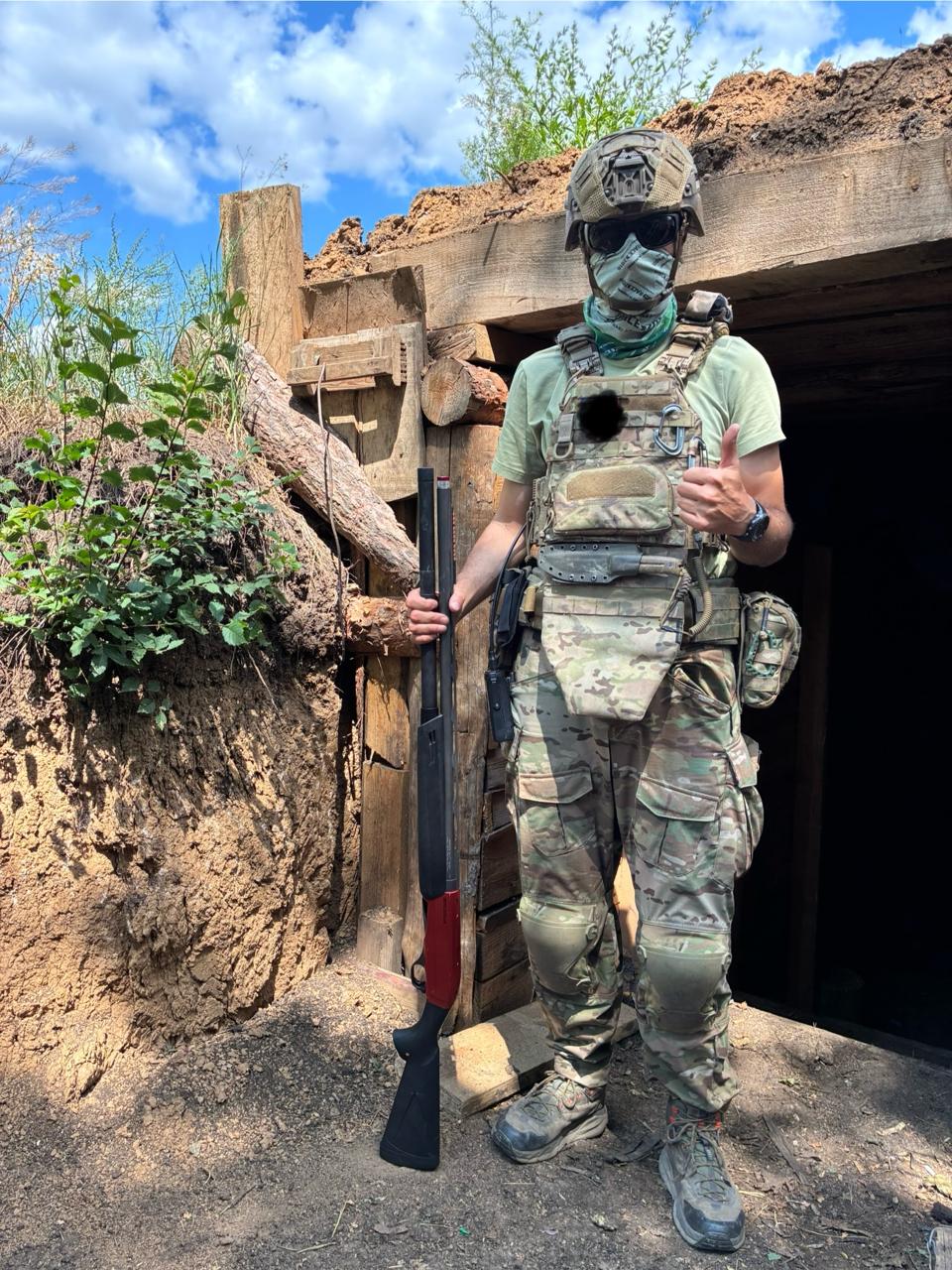
There are many myths on this topic. One of them claims that a pump-action shotgun is more reliable and that malfunctions are easier to clear. As a shooter who has been using the Remington 870 and other pump-action shotguns for more than 15 years, I can say that if I were choosing a weapon specifically for countering drones, I would choose a semi-automatic. Let’s break down why.
The reliability of a shotgun primarily depends on you: proper ammunition selection, cleaning, lubrication, and maintenance. Only secondarily does it depend on the type of action.
If we take two shotguns of different types, both properly broken in, cleaned, lubricated, and matched with suitable ammunition, they will operate with comparable reliability, whether pump-action or semi-automatic.
When both guns become heavily fouled, both will stop functioning properly. The idea that a pump-action will continue to run better when dirty is largely a myth.
If sand gets into the magazine tube, the follower can seize in either type of shotgun. If debris gets into the moving parts, a pump-action can become very difficult to cycle manually and may jam, just as a semi-automatic can malfunction.
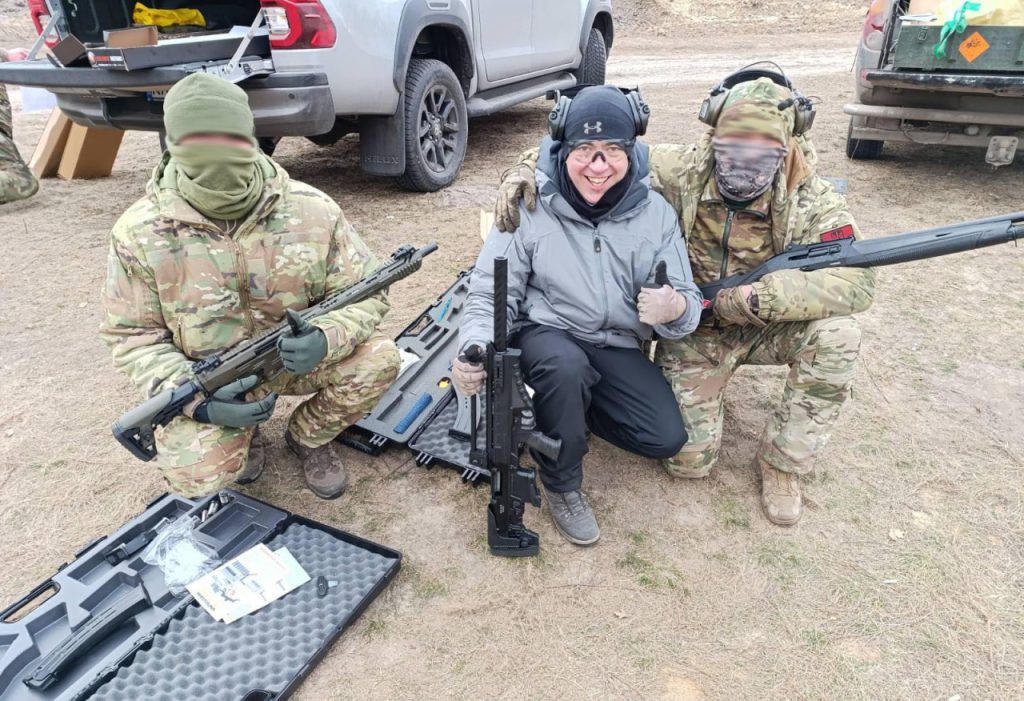
When using improper ammunition, a pump-action can jam just as a semi-automatic can. That is why during training I teach cadets, in such cases, to brace the shotgun against the thigh and pull the fore-end with both hands. This can help if the shell is not so tightly stuck that it tears the rim off the case, which also happens.
Now that you understand that a pump-action does not provide a real advantage in terms of reliability, let’s look at the advantages of a semi-automatic.
First, ease of use. To fire the next shot, the shooter only needs to press the trigger. With a pump-action, especially when shooting quickly, proper cycling technique must be learned and executed correctly.
This becomes especially important in non-ideal conditions, such as shooting from an awkward position or inside a moving vehicle. In such conditions, it is easy to make an incorrect movement with a pump-action, which can lead to a malfunction, such as a failure to eject or a double feed.
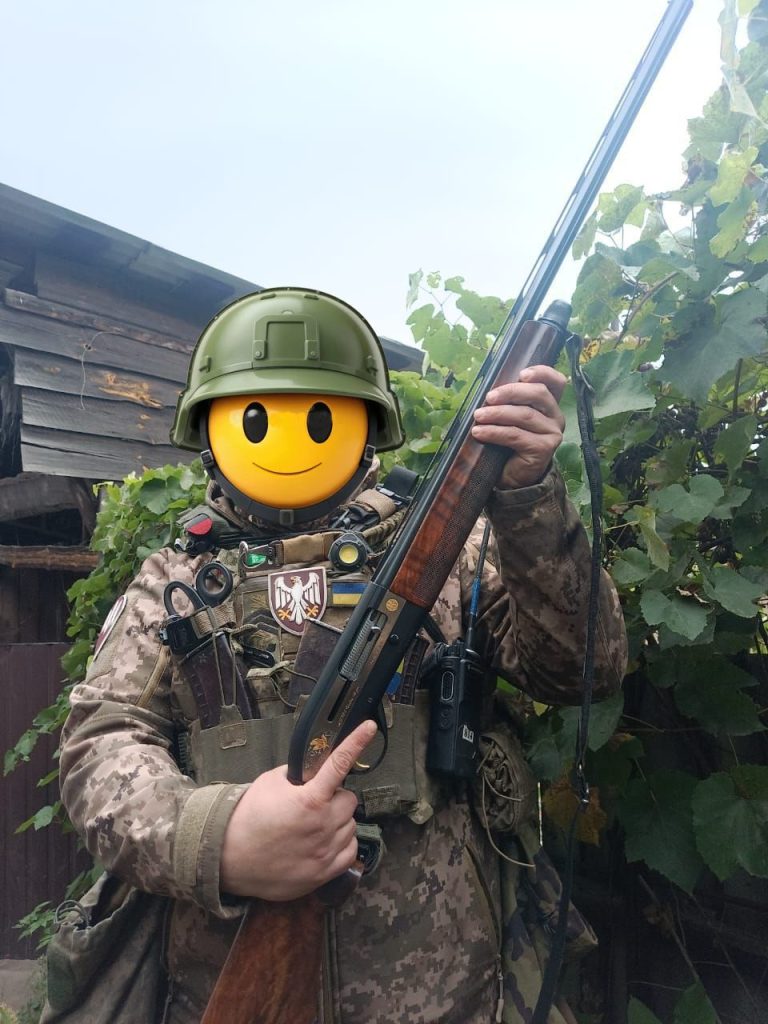
Clearing malfunctions on a pump-action and on a semi-automatic generally takes about the same amount of time.
Mastering the controls of a pump-action shotgun and a semi-automatic shotgun also requires roughly the same amount of training time.
Therefore, if your goal is to master the shotgun as quickly as possible, to be able to deliver fast follow-up shots, and especially to operate effectively from awkward positions or in difficult conditions, I recommend a semi-automatic.
Semi-automatic Shotguns with Detachable Box Magazines
This is another question and another compromise that military personnel often face. A shotgun with detachable box magazines has both advantages and disadvantages.
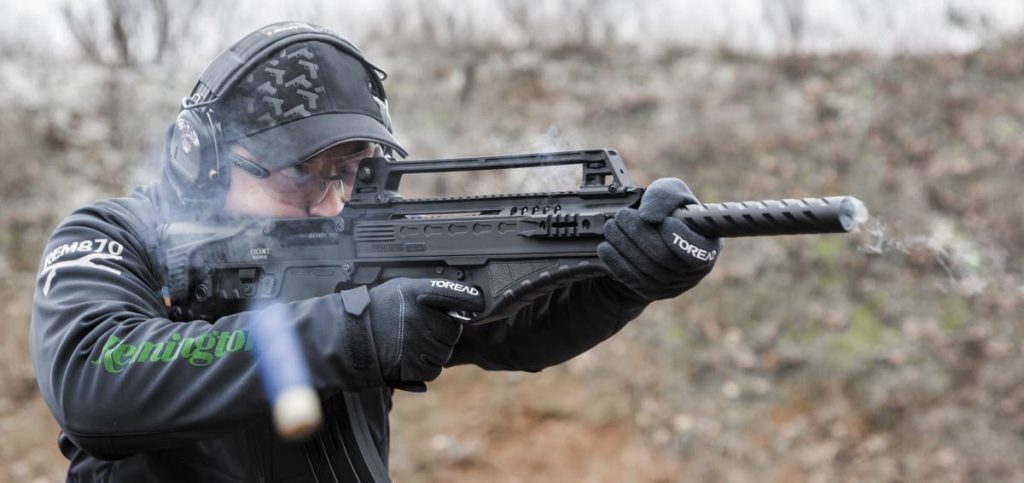
The advantages are simple and obvious: compactness, especially in a bullpup configuration; fast reloading using preloaded magazines; and often easier mounting of red dot optics.
The disadvantages include reduced reliability compared to traditional tube-fed systems, greater mechanical complexity, and the need to maintain a sufficient number of magazines and properly care for them.
However, they are inexpensive and easy to operate, which is why they are widely issued and used in large numbers within the Ukrainian military.
Ammunition against drones
A shotgun uses shotshells loaded with pellets, meaning metal spheres of various diameters. For example, a 36-gram load of No. 3 shot, with a pellet diameter of 3.5 mm, contains 144 pellets. This is what distinguishes a shotgun from platforms such as the AK or AR-15. A shotgun creates a cloud of projectiles, making it easier to engage small, fast-moving targets such as birds, clay targets, and now drones.
At first, a wide variety of loads were tested. With time and experience, it became clear that a drone should be engaged at the greatest possible distance. Even a downed or critically damaged drone can still travel 15 to 20 meters. It was determined that the smallest shot size that can be used effectively is No. 3 (3.5 mm), while the largest practical size is No. 000 (4.75 mm). In static defensive positions, where there is a possibility of encountering larger drones such as loitering munitions like the Lancet, buckshot has also been used.
The general recommendation is lead shot in sizes No. 1, 2, 3, 0, 00, and 000, with a tendency toward larger pellet sizes.
A cost-effective way to increase the effectiveness of lead shot is to use harder alloys with increased antimony content or by adding harder metals to the alloy.
Larger shot carries greater kinetic energy and can damage drones at longer distances, but it significantly reduces pellet count. This means fewer chances to hit the drone, while increasing the destructive potential of each individual pellet. A combat shotgun against drones is always a compromise.
With a 36-gram load, a single shell contains approximately 141 pellets of No. 3 shot, 3.5 mm in diameter, or 56 pellets of No. 000 shot, 4.75 mm in diameter.
Payload weight and muzzle velocity
The demand for anti-drone ammunition has created an entire niche industry. Unfortunately, it contains more marketing than genuinely new and effective loads. When a service member enters a store looking for anti-drone ammunition, a name like Drone Hunter sells very well. However, after testing, standard hunting loads often proved more effective.
Another result of the pursuit of higher effectiveness has been the introduction of extremely heavy loads, 45, 50, and even 55 grams. These do not provide a meaningful advantage and do not meet the advertised effectiveness at 100 meters. Such loads generate excessive recoil, which disrupts the sight picture, makes rapid follow-up shots difficult, and can even damage the shotgun. In practice, two fast shots with a 36-gram load are more effective than a single shot with a 55-gram load.
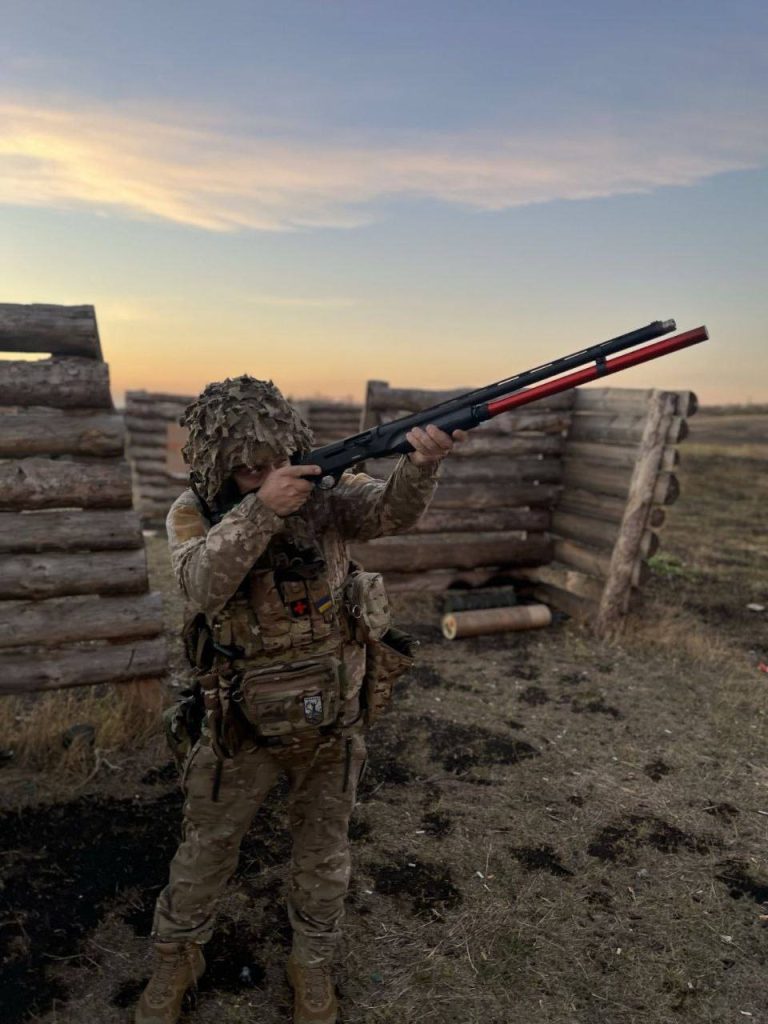
The recommended payload weight for anti-drone ammunition is 32 to 42 grams. Forty-two grams should be considered the upper limit, and only for experienced shooters. The optimal balance is 36 grams. This provides a sufficient number of projectiles without producing excessive recoil, allowing rapid fire.
Muzzle velocity is also critical. Ideally, it should be in the range of 420 to 440 meters per second to ensure better terminal energy and reduced lead on the target. Tungsten shot from Rio demonstrated a muzzle velocity of 445 meters per second from a short barrel on a chronograph and proved extremely effective against drones in our tests.
Tungsten
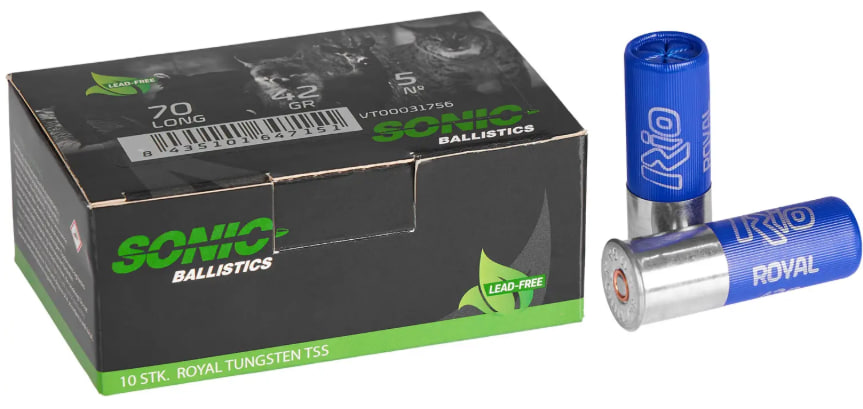
However, there are far more interesting and effective loads: pellets made from tungsten alloys. They are exceptionally well suited for destroying drones, and here is why.
Their density is higher than that of lead, meaning each pellet has greater mass for the same diameter. Their hardness is also dramatically higher, up to 2520% greater than standard lead shot. As a result, tungsten pellets retain velocity better and lose energy more slowly, while also delivering significantly greater structural damage on impact.
Comparison of the Density and Hardness:
| Shot Material | Density, g/cm³ | Hardness, HV (Vickers) |
|---|---|---|
| Lead + Antimony | 11.34 | ≈ 9–11 HV |
| Steel | 7.87 | 131 HV |
| Tungsten Alloy | 18.0–18.3 | ≈ 262 HV |
A logical question would be about steel shot. However, steel has lower density, which means less mass per pellet and faster energy loss downrange.
Comparison of the Energy of a Single Pellet at Different Distances:
| Shot Material | Pellet Mass (3 mm), g | Energy at 50 m, J | Energy at 100 m, J |
|---|---|---|---|
| Steel | 0.111 | 1.85 | 0.30 |
| Lead | 0.160 | 4.66 | 1.31 |
| Tungsten | 0.257 | 12.02 | 5.44 |
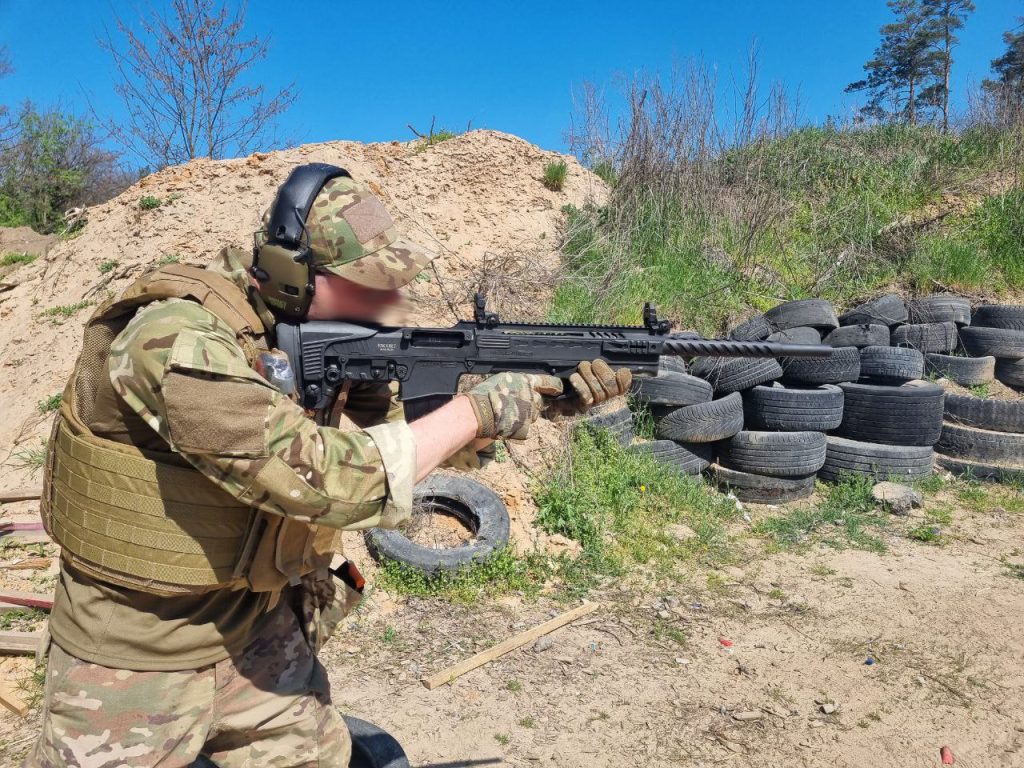
At 50 meters, tungsten carries approximately 550% more energy than steel and about 158% more than lead.
At 100 meters, tungsten carries approximately 1713% more energy than steel and about 315% more than lead.
Another advantage of tungsten shot is the ability to use smaller pellet sizes, for example No. 5, 3 mm in diameter, in order to achieve a wider pattern and a higher pellet count. When using lead, pellets of that size often lack the hardness and retained energy necessary to cause meaningful damage at distance. With tungsten, even such small pellets can still inflict effective damage at extended ranges.
At 50 meters, tungsten birdshot has approximately 550% more energy than steel and 158% more than lead.
At 100 meters, tungsten birdshot has approximately 1713% more energy than steel and about 315% more energy than lead.
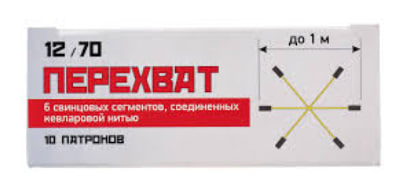
IGLA (“Needle”) from the aggressor state
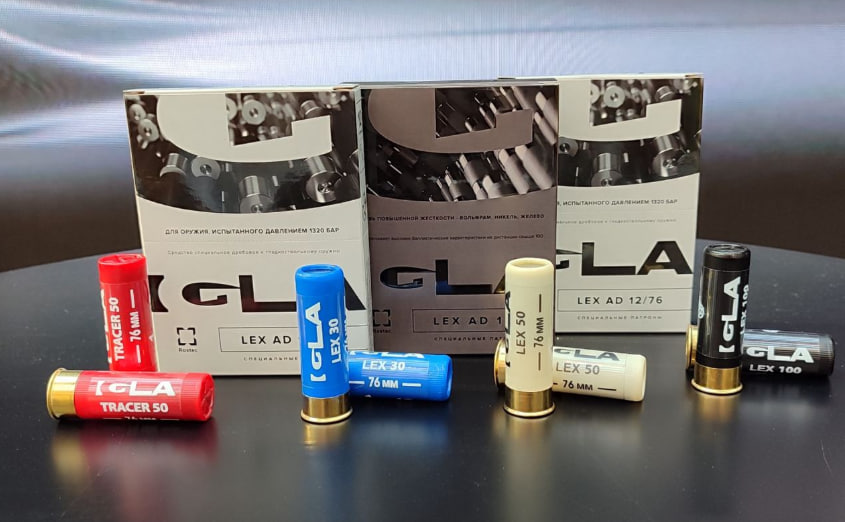
The fact that hard lead or tungsten-alloy shot is a fast and effective solution is also demonstrated by Russia’s own developments known as IGLA 30 and IGLA 50. These cartridges use hardened shot, with an alloy hardness approximately 1.5 times greater than standard lead shot, and a muzzle velocity of 435 m/s.
IGLA 100 is a 42-gram load using a tungsten–nickel–iron alloy shot, designed to extend the effective engagement range up to 100 meters.
The main drawback of tungsten-alloy shot cartridges is their cost. They can be up to 15 times more expensive than standard shotshells.
The advantage, however, is that setting up mass production of such cartridges is far simpler and faster than developing and manufacturing more exotic alternatives.

We older Americans do NOT understand meters, centimeters, ETC.. We understand Feet, Yards, etc. Please rewrite so WE can understand! Thank you, Richard